• Oil Cylinder Block/ Body/Barrel,Oil Cylinder Block/ Body/Barrel
  • Oil Cylinder Block/ Body/Barrel,Oil Cylinder Block/ Body/Barrel
  • Oil Cylinder Block/ Body/Barrel,Oil Cylinder Block/ Body/Barrel
  • Oil Cylinder Block/ Body/Barrel,Oil Cylinder Block/ Body/Barrel
  • Oil Cylinder Block/ Body/Barrel,Oil Cylinder Block/ Body/Barrel
  • Oil Cylinder Block/ Body/Barrel,Oil Cylinder Block/ Body/Barrel
  • Oil Cylinder Block/ Body/Barrel,Oil Cylinder Block/ Body/Barrel
  • Oil Cylinder Block/ Body/Barrel,Oil Cylinder Block/ Body/Barrel
  • Oil Cylinder Block/ Body/Barrel,Oil Cylinder Block/ Body/Barrel
  • Oil Cylinder Block/ Body/Barrel,Oil Cylinder Block/ Body/Barrel
  • Oil Cylinder Block/ Body/Barrel,Oil Cylinder Block/ Body/Barrel
  • Oil Cylinder Block/ Body/Barrel,Oil Cylinder Block/ Body/Barrel

Oil Cylinder Block/ Body/Barrel

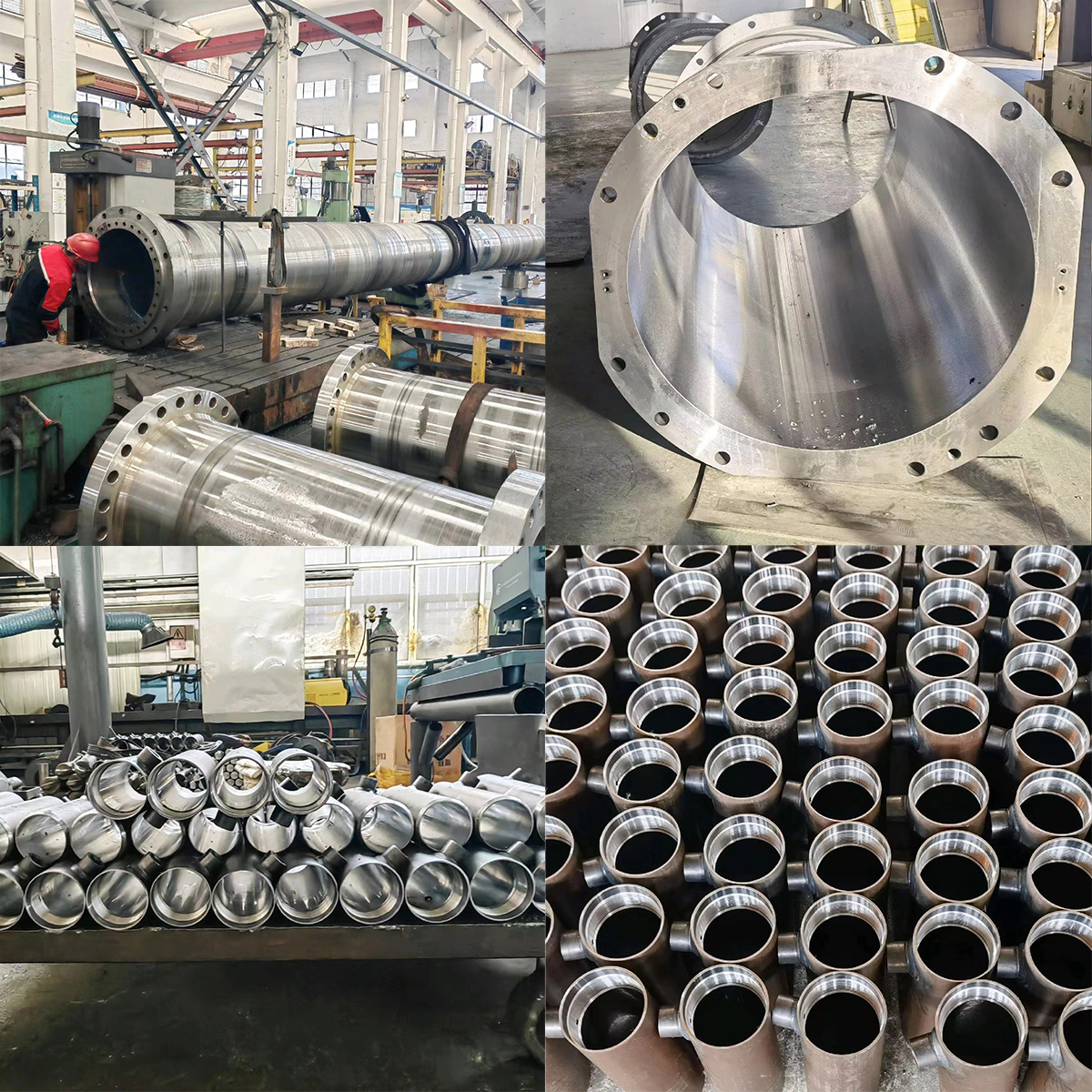
Oil Cylinder Block usually refers to a key component in the hydraulic system. It is closely related to the hydraulic cylinder.

Cylinder Body/Barrel is the main part of the hydraulic cylinder, which contains the piston and hydraulic oil.
It provides guidance and support for the piston and withstands the pressure caused by hydraulic pressure.
It is usually made of high-strength metals such as carbon steel, stainless steel or cast iron to ensure pressure resistance and durability.
  • Oil Cylinder Block/ Body/Barrel,Oil Cylinder Block/ Body/Barrel
  • Oil Cylinder Block/ Body/Barrel,Oil Cylinder Block/ Body/Barrel
  • Oil Cylinder Block/ Body/Barrel,Oil Cylinder Block/ Body/Barrel
  • Oil Cylinder Block/ Body/Barrel,Oil Cylinder Block/ Body/Barrel
  • Oil Cylinder Block/ Body/Barrel,Oil Cylinder Block/ Body/Barrel
  • Oil Cylinder Block/ Body/Barrel,Oil Cylinder Block/ Body/Barrel

SPECIFICATION

Cylinder Body/Barrel is a key component of hydraulic or pneumatic cylinders, forming the main structure of the cylinder and providing an enclosed space for the piston to move. Let’s dive into its functions, structure, and materials:

🌟 1. Functions:

  • Housing the piston: Provides a passage for the piston and piston rod to operate.
  • Withstanding pressure: Bears the internal pressure generated by hydraulic fluid or gas.
  • Guiding and sealing: Ensures smooth piston movement and prevents fluid leakage through sealing mechanisms.

⚙️ 2. Structure:

  • Inner wall smoothness: The inner wall undergoes precision processes (e.g., honing or boring) to ensure low friction and good sealing performance.
  • End structures: One end is equipped with a cylinder head and seals, while the other end is connected to the base or mounting flange.
  • Oil/Gas ports: Connect to hydraulic pipelines or pneumatic ducts, allowing fluid or gas to flow in and out.

🏗️ 3. Materials:

  • Carbon steel/Alloy steel: Common in high-pressure hydraulic systems due to high strength and wear resistance.
  • Stainless steel: Used in special environments, such as corrosive conditions or food processing equipment.
  • Aluminum alloy: Applied in lightweight equipment, suitable for low-pressure systems.

🏆 4. Application Scenarios:

  • Industrial machinery (e.g., presses, injection molding machines)
  • Construction machinery (e.g., excavators, bulldozers)
  • Aerospace, marine, and automotive manufacturing fields

Are you looking for Cylinder Body/Barrel? We’d be happy to help, here is a rigfht factory to manufcaturer it!✨
Message Us